Blog

Here, view industry insights, practical guides, and curated perspectives, continuously gaining valuable content.

Home Blog

Blog

Blog

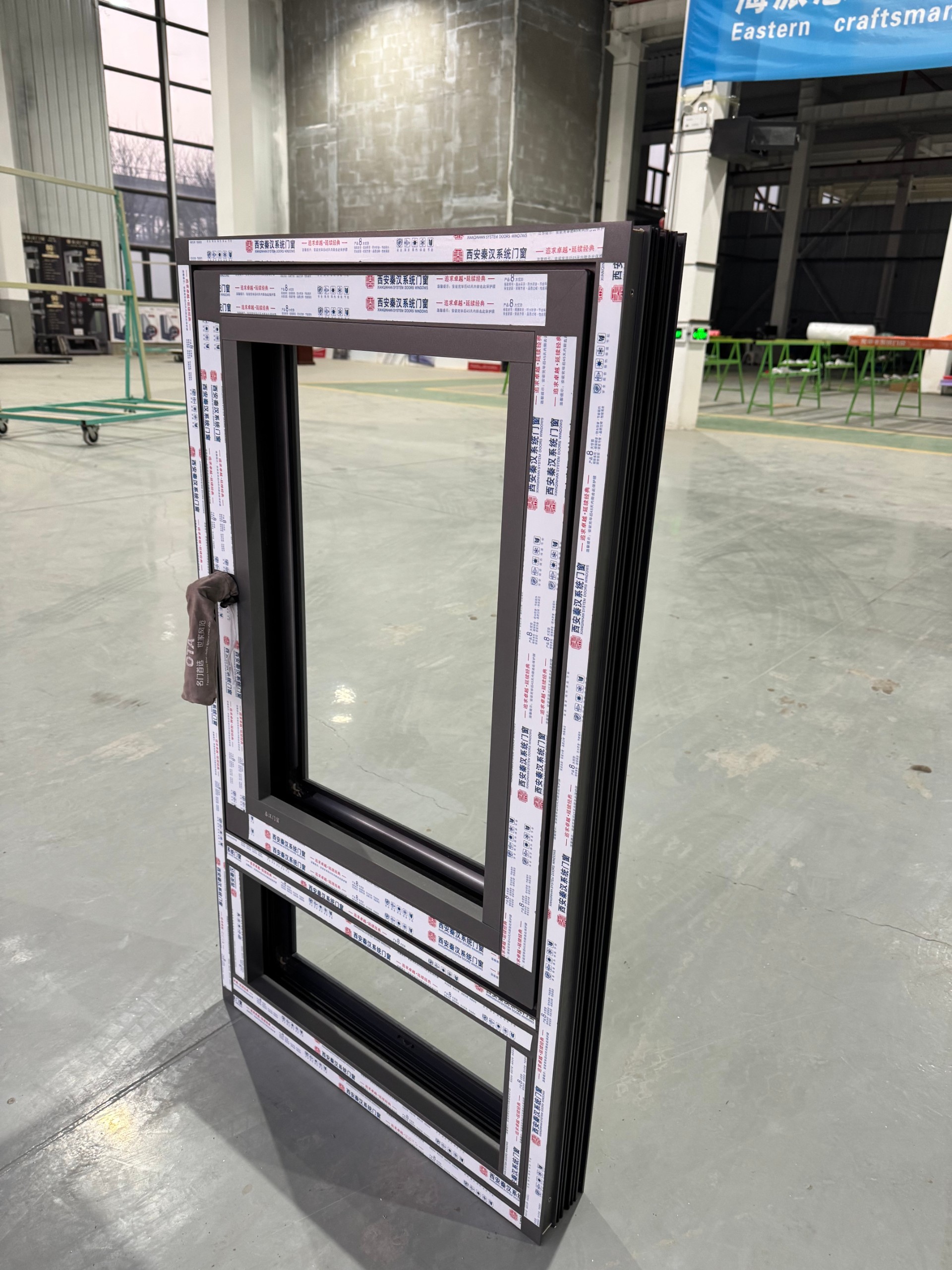
93 Series Aluminum Alloy Windows: How Residential Projects Match Wall Thickness with Glass Configuration to Achieve Sound Insulation
Popular

93 Series Aluminum Alloy Windows: How Residential Projects Match Wall Thickness with Glass Configuration to Achieve Sound Insulation

This article focuses on the 93 series single-opening aluminum alloy windows of the Qinhan system doors and windows, and analyzes for door and window contractors, building material distributors, and project purchasers how to select the appropriate wall thickness and glass configuration based on the sound insulation requirements of residential projects. Through real-world scenario analysis and selection logic, the article helps you determine whether the 1.4MM wall thickness and 5+22A+5 glass are suitable for your project, and provides a clear decision-making path and next confirmation steps.

Read more →
Allmanufacturing
Differences in selection between residential and engineering projects: How does the 80 Series single casement window adapt?
2026-08-29

Differences in selection between residential and engineering projects: How does the 80 Series single casement window adapt?

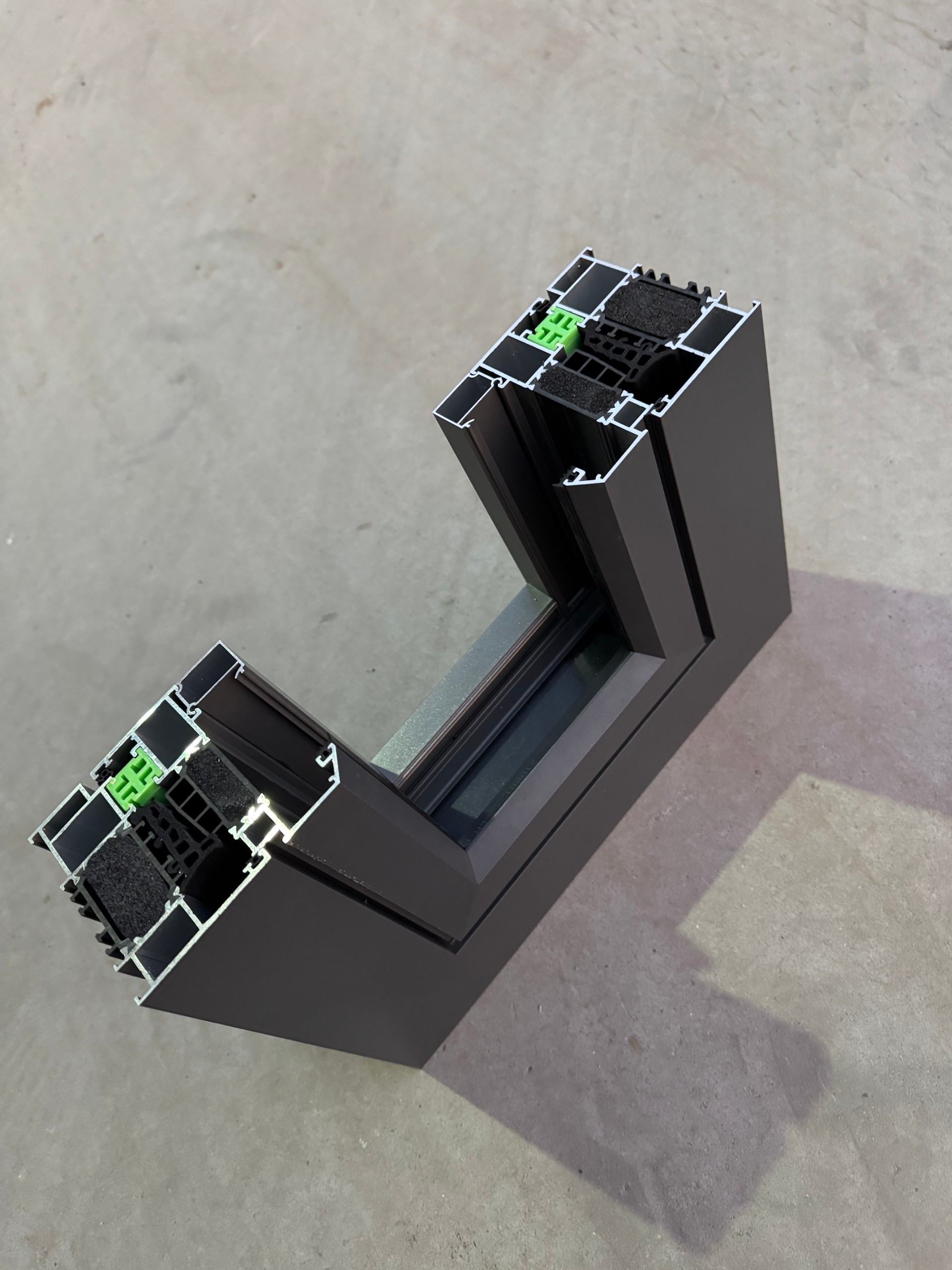
The 80 Series thickened single-leaf aluminum alloy window, with a reference configuration of 1.8mm wall thickness and 5+22A+5 insulating glass, strikes a balance between residential experience and engineering safety requirements. This article analyzes the product's suitability conditions, upgrade signals, and selection boundaries in different scenarios from dimensions such as floor height, noise environment, climatic conditions, and bulk procurement, helping contractors and purchasers quickly assess applicability.
Differences between the 80 Series and the 70/90 Series: How to select the right model based on project requirements?
2026-08-28

Differences between the 80 Series and the 70/90 Series: How to select the right model based on project requirements?

Starting from the meaning of profile series numbers, this article horizontally compares the differences among the 70, 80, and 90 series in dimensions such as wall thickness, glass, and opening methods, with a focus on analyzing the applicable scenarios, configuration boundaries, and selection decision paths of the 80 series thickened single casement window, helping door and window contractors, distributors, and purchasers quickly determine project suitability.

80 Series single-opening window installation key points: avoid common mistakes, ensure sealing and safety
2026-08-27

80 Series single-opening window installation key points: avoid common mistakes, ensure sealing and safety

This article systematically reviews the key technical points before, during, and after the installation of the 80 Series thickened single-leaf aluminum alloy windows, covering opening and wall inspection, product configuration verification, fixing, waterproofing, sealing, and commissioning, acceptance standards, and differentiated handling in different scenarios, helping contractors and purchasers reduce after-sales issues and ensure the product performance is fully utilized.

From Drawing to Finished Product: A Complete Guide to the Full Process of Customizing 80 Series Single Casement Windows
2026-08-26

From Drawing to Finished Product: A Complete Guide to the Full Process of Customizing 80 Series Single Casement Windows

The 80 Series thickened single-opening aluminum window supports customization according to drawings, and its standard reference configuration is 6063-T5 aluminum alloy profiles, 1.8mm wall thickness, and 5+22A+5 insulating glass. This article is intended for door and window engineering contractors, distributors, and project procurement parties, systematically sorting out the complete process from drawing confirmation, profile and wall thickness selection, glass and hardware configuration, to sample confirmation and mass production. The article aims to help you transform project requirements into clear customization information, reduce communication costs, and clarify which steps require you to provide key working condition data so that the hyperstron team can assist in confirming the matching solution.

The Science of Glass Configuration: Is 5+22A+5 Insulating Glass Right for Your Home?
2026-08-25

The Science of Glass Configuration: Is 5+22A+5 Insulating Glass Right for Your Home?

5+22A+5 insulating glass is one of the reference configurations for the 80 Series thickened single-opening aluminum window (English original name: 80 profile single opening window). It consists of two 5mm glass panes and a 22mm air layer. It is suitable for scenarios such as residential bedrooms and street-facing shops that have clear requirements for sound insulation and thermal insulation, but not all environments need this configuration. This article will help you decide whether to choose this configuration from three levels: the principle of air layer thickness, the boundary of scenario adaptability, and the method of selection judgment.

80 Series thickened single-leaf aluminum alloy window wall thickness selection: Is 1.8mm sufficient? When is a thicker one needed?
2026-08-24

80 Series thickened single-leaf aluminum alloy window wall thickness selection: Is 1.8mm sufficient? When is a thicker one needed?

This article is intended for door and window contractors, distributors, and project procurement parties. It systematically breaks down the wall thickness decision logic for the 80 Series thickened single-leaf aluminum alloy window. Starting from three dimensions—the usage environment, floor-level wind pressure, and glass configuration—the article provides the applicable boundaries and upgrade conditions for a 1.8mm wall thickness, and offers a three-step judgment method to help procurement parties translate project requirements into a clear configuration plan.

Detailed Installation Process for the 80 Series Single-Opening Window: From Measurement to Fixing
2026-08-23

Detailed Installation Process for the 80 Series Single-Opening Window: From Measurement to Fixing

This article provides a systematic technical guide for the installation of 80 Series single-leaf aluminum alloy windows, covering four key stages: pre-installation verification, window frame fixing, waterproof sealing, and post-installation self-inspection. By clarifying the opening measurement methods, wall fixing methods, key points for applying foam sealant and sealant, as well as 5 key acceptance inspection points, it helps contractors and purchasers avoid common installation mistakes and ensure the long-term performance and sealing integrity of the windows.

Installation Precautions and Wind Pressure Resistance Analysis for 80 Series Single-Hung Windows in High-Rise Residential Buildings
2026-08-22

Installation Precautions and Wind Pressure Resistance Analysis for 80 Series Single-Hung Windows in High-Rise Residential Buildings

The wind pressure resistance performance of windows in high-rise residential buildings is the core of safety. This article analyzes from an engineering perspective the wind pressure resistance design logic, key installation control points, applicable boundaries, and acceptance methods of the 80 Series single-opening aluminum alloy window in high-rise scenarios, helping contractors and purchasers make well-founded decisions during the selection, installation, and acceptance stages.

Acceptance Standards and Maintenance Plan Development for Engineering Procurement of 80 Series Windows
2026-08-21

Acceptance Standards and Maintenance Plan Development for Engineering Procurement of 80 Series Windows

This article is intended for engineering procurement managers, systematically outlining the batch acceptance standards, maintenance budget allocation, and selection adaptation logic for 80 Series single-leaf aluminum alloy windows. Combining inspection points across four dimensions—profiles, glass, hardware, and drainage—it provides actionable sampling plans and budget recommendations to help you make accurate judgments between standardization and customization, and control long-term costs.