Blog

Here, view industry insights, practical guides, and curated perspectives, continuously gaining valuable content.

Home Blog

Blog

Blog

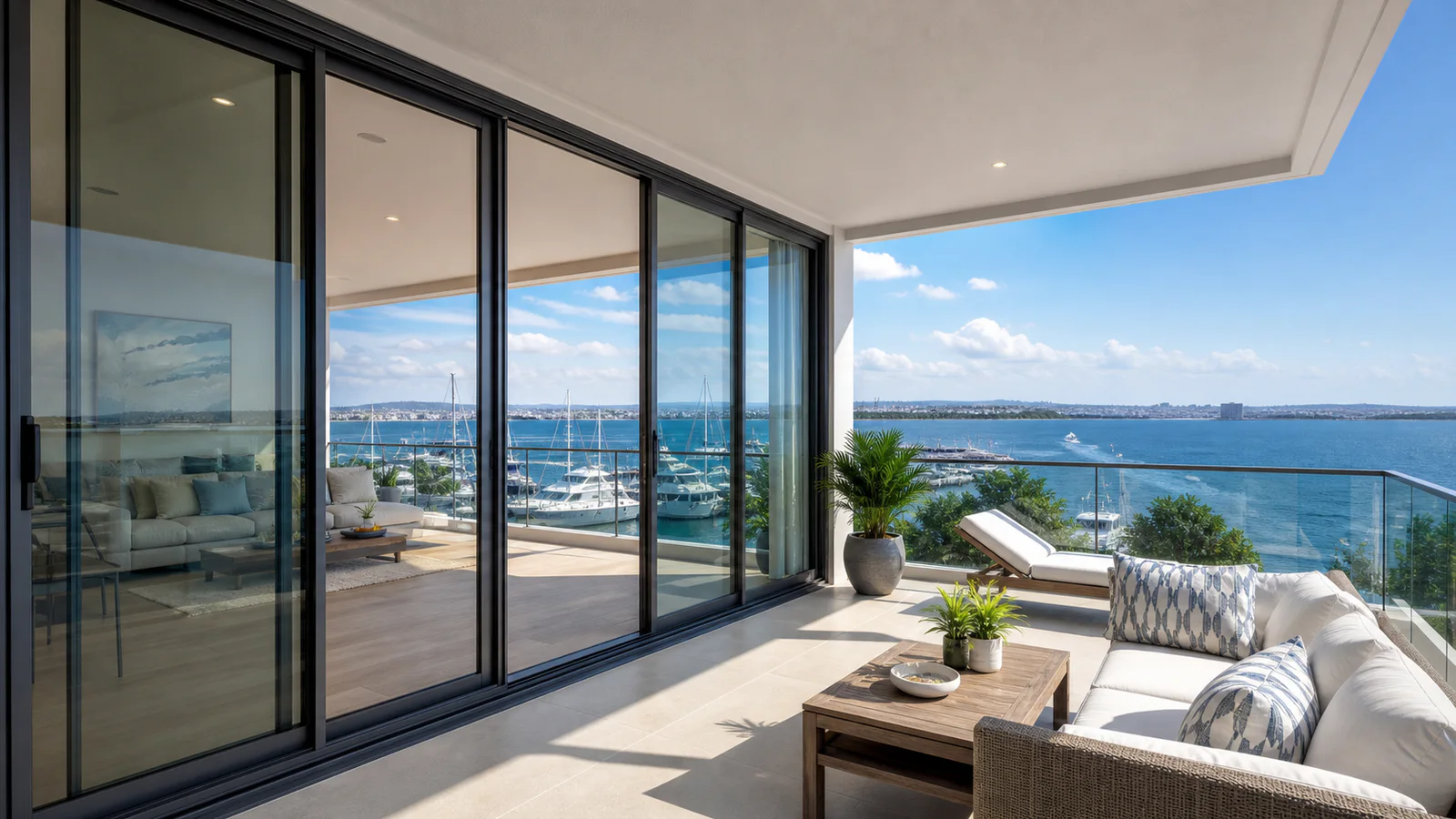
93 Series Aluminum Alloy Windows: How Residential Projects Match Wall Thickness with Glass Configuration to Achieve Sound Insulation
Popular

93 Series Aluminum Alloy Windows: How Residential Projects Match Wall Thickness with Glass Configuration to Achieve Sound Insulation

This article focuses on the 93 series single-opening aluminum alloy windows of the Qinhan system doors and windows, and analyzes for door and window contractors, building material distributors, and project purchasers how to select the appropriate wall thickness and glass configuration based on the sound insulation requirements of residential projects. Through real-world scenario analysis and selection logic, the article helps you determine whether the 1.4MM wall thickness and 5+22A+5 glass are suitable for your project, and provides a clear decision-making path and next confirmation steps.

Read more →
Allmanufacturing
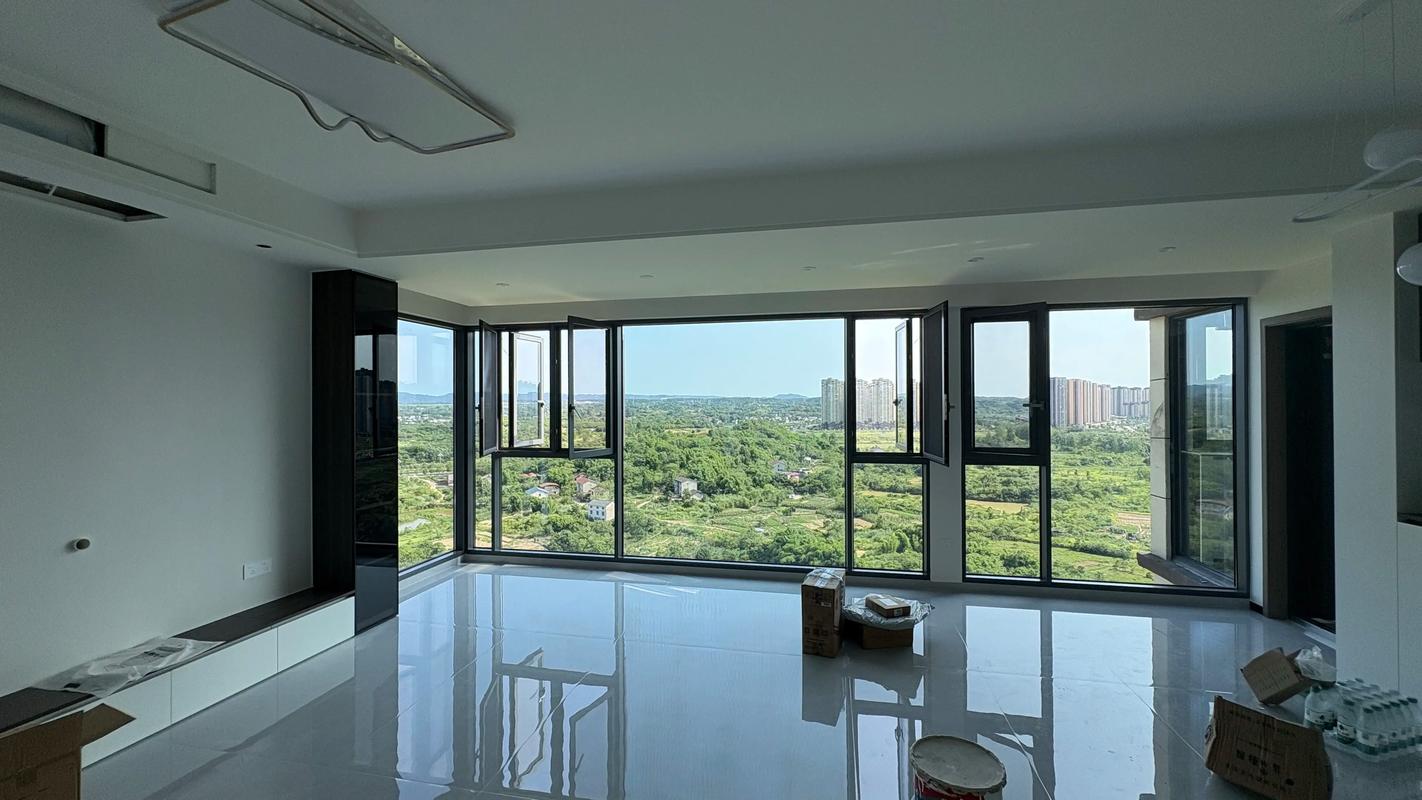
Procurement Cost Control for FG110F Double Inward Opening Broken-Bridge Windows: How to Optimize the Budget Without Sacrificing Performance?
2026-08-12

Procurement Cost Control for FG110F Double Inward Opening Broken-Bridge Windows: How to Optimize the Budget Without Sacrificing Performance?

This article is intended for door and window contractors and purchasers. It breaks down the four core cost components of the FG110F double inward-opening thermal break window—profiles, glass, hardware, and sealing—analyzes the investment priority between glass and wall thickness when the budget is limited, and provides suitability judgments for different project scenarios as well as the sample confirmation process for batch customization, helping you make more accurate decisions in procurement.
Application of FG110F Double Inward-Opening Broken-Bridge Window in Street-Facing Residences: How to Solve the Challenge of Sound Insulation and Noise Reduction?
2026-08-11

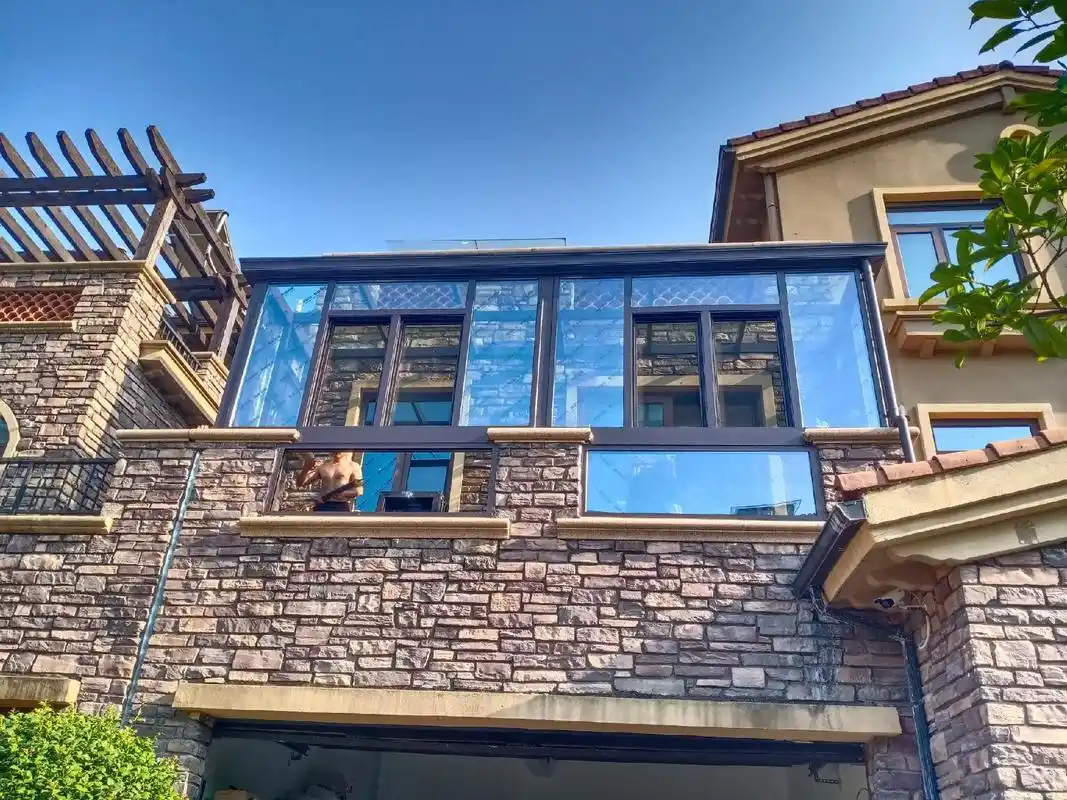
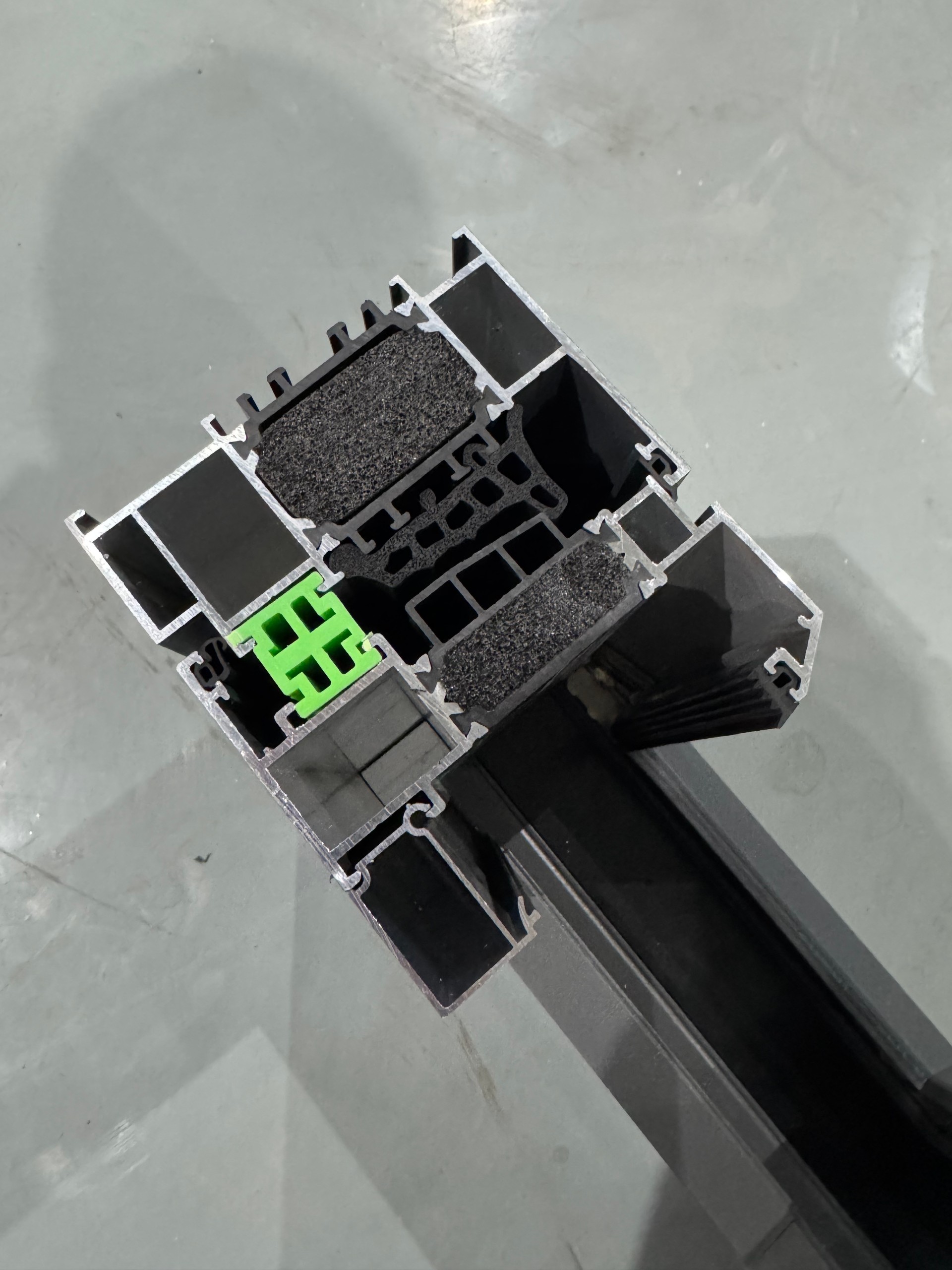
Application of FG110F Double Inward-Opening Broken-Bridge Window in Street-Facing Residences: How to Solve the Challenge of Sound Insulation and Noise Reduction?

This article analyzes the sound insulation principles and applicable boundaries of the FG110F double inward-opening thermal break window for street-facing residential noise scenarios. By breaking down the three key factors of profiles, glass, and sealing, it helps engineering contractors and procurement parties determine whether this product matches project requirements, and provides key points for the customization process from drawing confirmation to mass production.

Maintenance and care for the FG110F double inward-opening thermal break window: practical methods to extend its service life
2026-08-10

Maintenance and care for the FG110F double inward-opening thermal break window: practical methods to extend its service life

This article is intended for door and window contractors, distributors, and project procurement parties. It systematically explains the maintenance and care points for the FG110F double inward-opening thermal break window. The content covers daily cleaning, drainage system inspection, hardware lubrication and tightening, as well as common maintenance misconceptions and the boundaries of supplier support, helping you reduce post-delivery repair costs and extend the long-term performance life of the windows.

FG110F Double Inward Opening Thermal Break Window Installation Precautions: Key Points and Common Misconceptions for Installing Inward Opening Windows
2026-08-09

FG110F Double Inward Opening Thermal Break Window Installation Precautions: Key Points and Common Misconceptions for Installing Inward Opening Windows

This article focuses on the complete installation process of the FG110F double inward-opening thermal break window, systematically explaining key steps such as confirming the opening dimensions and wall conditions, fixing and leveling the window frame, waterproof sealing treatment, hardware adjustment, and glass installation. Combined with common mistakes and judgment suggestions, it helps contractors and purchasers reduce after-sales problems caused by improper installation and ensure the product's performance is fully utilized.

Comparison between FG110F Double Inward Opening Thermal Break Window and Ordinary Thermal Break Window: A Trade-off between Price and Performance
2026-08-08

Comparison between FG110F Double Inward Opening Thermal Break Window and Ordinary Thermal Break Window: A Trade-off between Price and Performance

This article compares the applicable conditions and trade-off logic between the FG110F double inward-opening thermal break window and ordinary thermal break windows from four dimensions: profile system, opening method, glass configuration, and cost composition. It helps contractors and purchasers determine which type of product better matches their needs based on specific working conditions such as project floor level, climate, and window opening dimensions, and provides budget allocation priorities and key confirmation items in the customization process.

Sealing Performance Analysis of the FG110F Double Inward-Opening Broken-Bridge Window: Why Is It Suitable for Projects with Strict Sealing Requirements?
2026-08-07

Sealing Performance Analysis of the FG110F Double Inward-Opening Broken-Bridge Window: Why Is It Suitable for Projects with Strict Sealing Requirements?

The sealing performance of the FG110F double inward-opening thermal break window comes from the synergistic effect of the double inward-opening structure, profile wall thickness, and glass configuration. Starting from the structural principle, this article analyzes the suitability conditions for typical application scenarios such as street-facing residences and cold northern regions, and provides the selection logic for glass and wall thickness as well as the working condition information to be confirmed before customization, helping engineering contractors and purchasers determine whether this product matches their project requirements.

FG110F double inward opening broken bridge window profile wall thickness selection: Is 2.0mm sufficient? How to adjust based on project requirements?
2026-08-06

FG110F double inward opening broken bridge window profile wall thickness selection: Is 2.0mm sufficient? How to adjust based on project requirements?

This article systematically analyzes the applicable boundaries of the 2.0mm wall thickness of the FG110F double inward-opening thermal break window from dimensions such as profile material, structural design, and project working conditions. It helps engineering contractors and purchasers quickly determine whether the wall thickness is sufficient in residential and commercial projects, and clarifies the parameters that need to be provided to the manufacturer in order to obtain an accurate matching solution.

FG110F Double Inward Opening Thermal Break Window Glass Configuration Selection Guide: Trade-offs Between 5+27A+5 and Custom Options
2026-08-05

FG110F Double Inward Opening Thermal Break Window Glass Configuration Selection Guide: Trade-offs Between 5+27A+5 and Custom Options

This article analyzes the structure and applicable scenarios of the FG110F double inward-opening thermal break window reference configuration with 5+27A+5 insulating glass, helping contractors and purchasers quickly determine whether this configuration matches project requirements, and clarifying the working conditions that must be confirmed before customizing the glass, to avoid selection errors.

Detailed explanation of the customization process for FG110F double inward-opening thermal break windows: the essential steps from drawing confirmation to mass production
2026-08-04

Detailed explanation of the customization process for FG110F double inward-opening thermal break windows: the essential steps from drawing confirmation to mass production

This article provides a full-process decision-making reference for the custom procurement of the FG110F double inward-opening thermal break window, covering four key stages: drawing review, sample confirmation, batch production quality control, and delivery acceptance. The article focuses on the core inspection items and decision-making logic at each stage, helping contractors and buyers clarify standards and avoid rework risks during the customization process.