
Blog

Here, view industry insights, practical guides, and curated perspectives, continuously gaining valuable content.

Home Blog

Blog

Blog

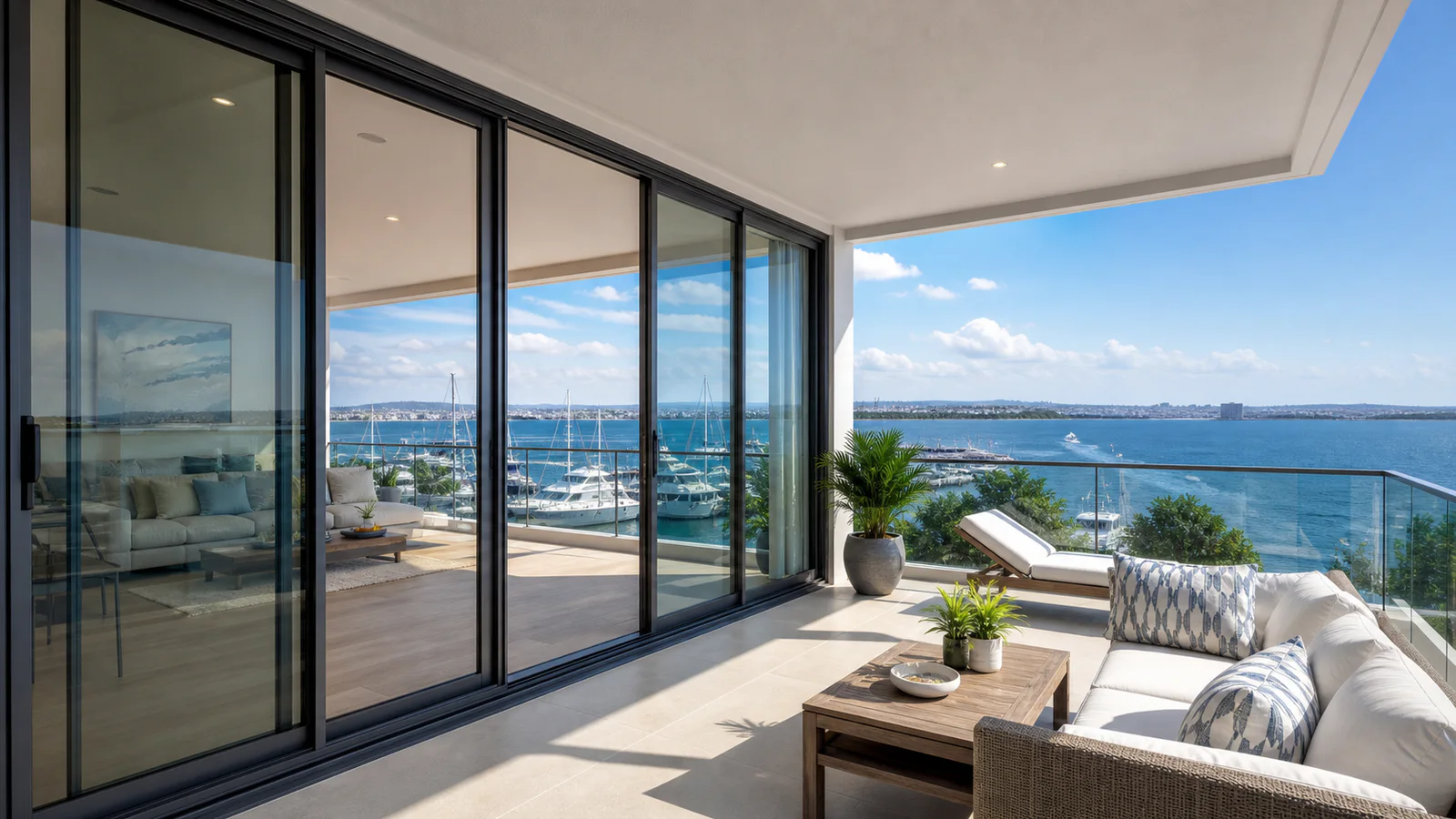
93 Series Aluminum Alloy Windows: How Residential Projects Match Wall Thickness with Glass Configuration to Achieve Sound Insulation
Popular

93 Series Aluminum Alloy Windows: How Residential Projects Match Wall Thickness with Glass Configuration to Achieve Sound Insulation

This article focuses on the 93 series single-opening aluminum alloy windows of the Qinhan system doors and windows, and analyzes for door and window contractors, building material distributors, and project purchasers how to select the appropriate wall thickness and glass configuration based on the sound insulation requirements of residential projects. Through real-world scenario analysis and selection logic, the article helps you determine whether the 1.4MM wall thickness and 5+22A+5 glass are suitable for your project, and provides a clear decision-making path and next confirmation steps.

Read more →
Allmanufacturing
Common Problems and Remedial Measures for Improper Installation of 80 Series Single-Opening Windows
2026-08-20

Common Problems and Remedial Measures for Improper Installation of 80 Series Single-Opening Windows

This article provides systematic identification methods and remedial measures for water seepage, deformation, and air leakage problems caused by improper installation of 80 Series single-leaf aluminum alloy windows. It helps contractors, distributors, and purchasers determine the attribution of problems, avoid rework, and extend the service life of windows.
80 Series Single-Opening Window Installation Acceptance Checklist: 10 Key Inspection Points
2026-08-19

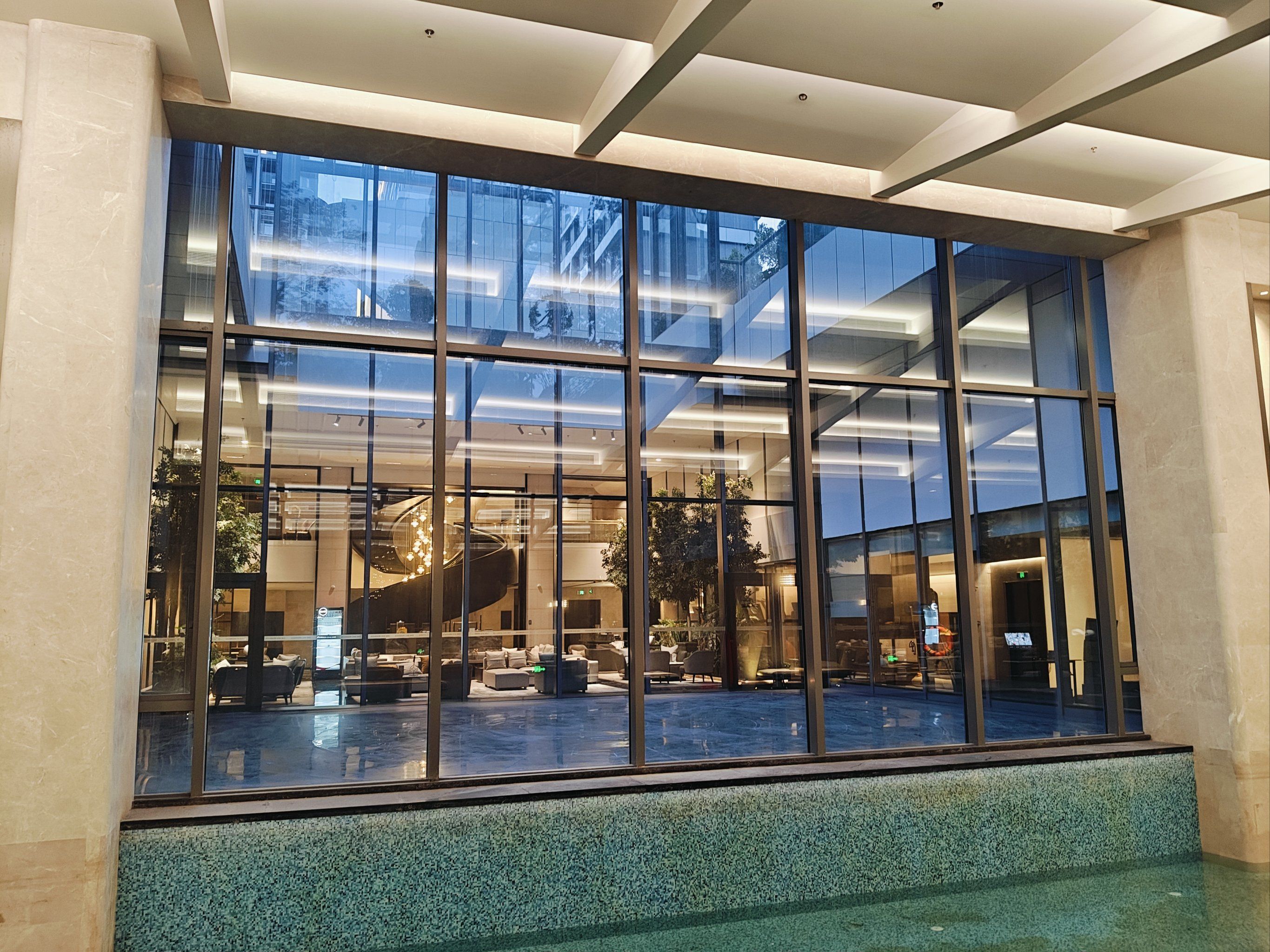
80 Series Single-Opening Window Installation Acceptance Checklist: 10 Key Inspection Points

The completion of door and window installation does not mean the delivery is complete. This article provides a standardized acceptance checklist for the 80 Series single-leaf aluminum alloy windows, covering 10 key inspection points including profiles, glass, hardware, drainage, and sealing, and distinguishes the differentiated standards between residential single-window acceptance and engineering project batch acceptance, helping contractors and purchasers intercept problems at the stage with the lowest cost.

80 Series Single-Opening Window Glass Fogging Treatment and Prevention: Key Points for Insulating Glass Maintenance
2026-08-18

80 Series Single-Opening Window Glass Fogging Treatment and Prevention: Key Points for Insulating Glass Maintenance

Fogging in insulating glass is one of the most common frustrations in door and window use, but not all fogging means the glass is damaged. This article is intended for contractors and purchasers, providing a complete path from on-site diagnosis, temporary treatment, long-term repair, to specification and prevention, helping you solve problems at the lowest cost and avoid rework in both residential single-window and engineering project scenarios.

Corrosion Prevention Strategies for 80 Series Window Profiles in Coastal High-Humidity Environments
2026-08-17

Corrosion Prevention Strategies for 80 Series Window Profiles in Coastal High-Humidity Environments

The corrosion challenge posed by coastal high-humidity salt-spray environments to aluminum alloy windows lies not primarily in the profile itself, but in the choice of surface treatment and the continuity of maintenance. Starting from the corrosion-resistance limits of 6063-T5 profiles, this article compares two mainstream protective approaches—anodizing and powder coating—provides selection recommendations for residential and project scenarios, and clarifies the criteria for determining when an upgraded anti-corrosion solution is needed, helping contractors and procurement teams make more reliable decisions.

80 Series Single-Hung Window Hardware Lubrication and Fastening Complete Guide
2026-08-17

80 Series Single-Hung Window Hardware Lubrication and Fastening Complete Guide

This article provides a complete practical guide for the maintenance of hardware components for 80 Series single-leaf aluminum windows, covering lubrication cycle planning, lubricant selection logic, step-by-step operating procedures, and differentiated maintenance strategies for residential, project, and coastal scenarios. It helps contractors, distributors, and purchasers reduce long-term maintenance costs and extend the service life of windows.
80 Series Single-Opening Window Drainage System Deep Maintenance: Preventing Rainwater Backflow
2026-08-16

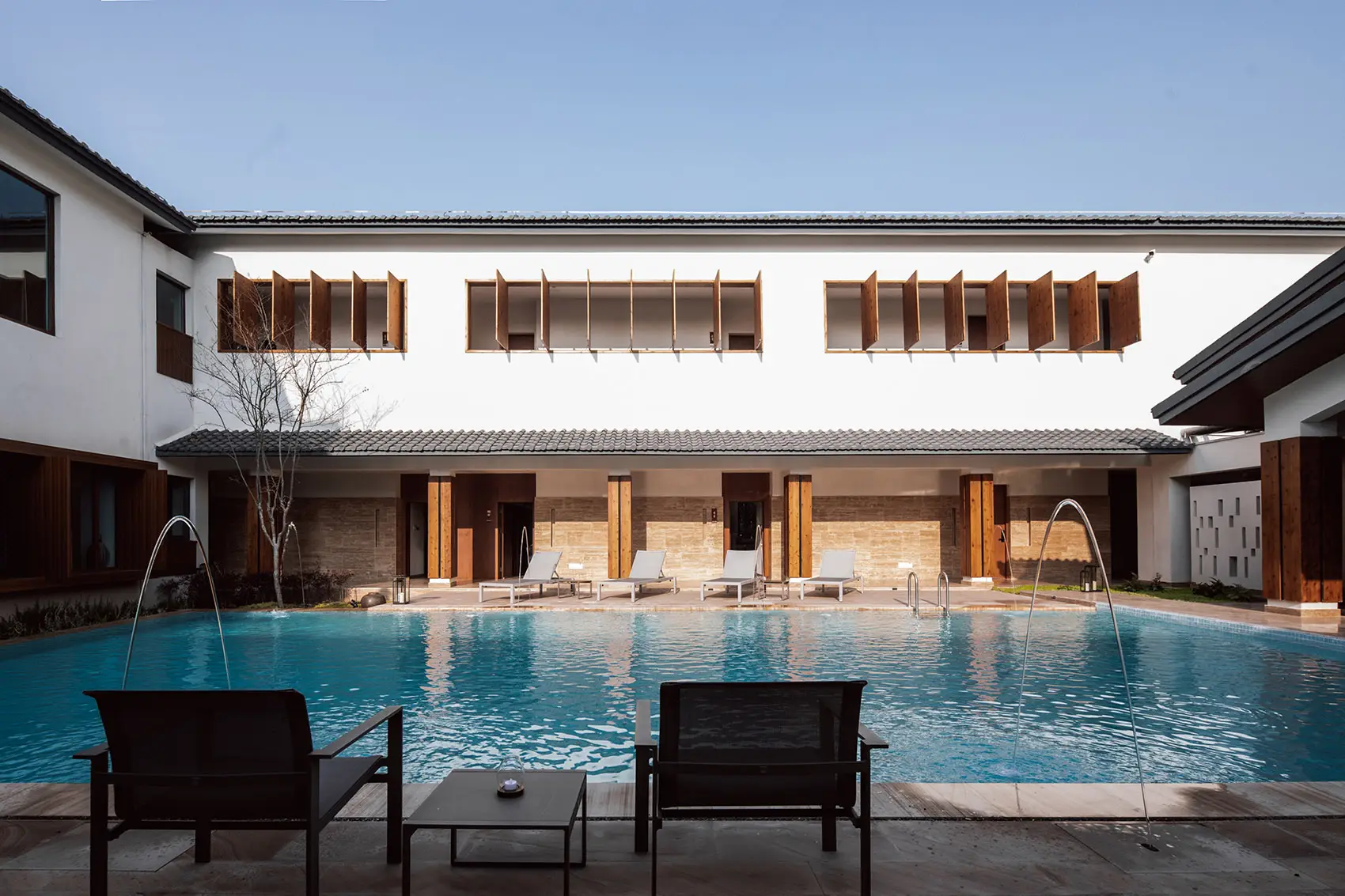
80 Series Single-Opening Window Drainage System Deep Maintenance: Preventing Rainwater Backflow

Most window leaks are not caused by the window frame itself, but by a failed drainage system. This article focuses on the 80 Series single-leaf aluminum window, explaining how to locate, clear, and verify blocked drainage holes, and distinguishes between maintenance strategies for residential and commercial projects, helping you quickly resolve leak risks and avoid them in advance during procurement and acceptance.

80 Series Single-Opening Window Seal Aging Self-Inspection and Replacement Practical Guide
2026-08-16

80 Series Single-Opening Window Seal Aging Self-Inspection and Replacement Practical Guide

This article addresses the common air and water leakage issues in 80 Series single-leaf aluminum alloy windows, points out that seal strip aging is the primary cause, and provides a three-step self-inspection method that requires no professional tools, a detailed step-by-step replacement process, as well as maintenance strategies for different scenarios such as residential, engineering, and distribution, helping contractors, distributors, and purchasers effectively solve practical problems.

After-sales service for the FG110F double inward-opening thermal break window: warranty policy and scope of support
2026-08-16

After-sales service for the FG110F double inward-opening thermal break window: warranty policy and scope of support

This article provides a comprehensive interpretation of the warranty policy, after-sales support, project adaptability, and long-term cost evaluation for purchasers of the FG110F double inward-opening thermal break window. You will learn about warranty coverage, liability boundaries, adaptability across different projects, and how to negotiate more suitable after-sales solutions based on project needs, thereby reducing procurement risks and ensuring the long-term stable operation of your project.

Common misconceptions about the FG110F double inward-opening thermal break window: Is a thermal break window the same as a soundproof window? Is thicker wall thickness always better?
2026-08-15

Common misconceptions about the FG110F double inward-opening thermal break window: Is a thermal break window the same as a soundproof window? Is thicker wall thickness always better?

This article clarifies and explains the three most common misconceptions in the procurement and selection of the FG110F double inward-opening thermal break window — that thermal break equals sound insulation, that thicker wall thickness is always better, and that double inward-opening is suitable for all projects. It also provides selection decision recommendations on glass configuration, profile wall thickness, and working condition confirmation, helping contractors and purchasers allocate their budget to the key links that affect project acceptance.