Blog

Here, view industry insights, practical guides, and curated perspectives, continuously gaining valuable content.

Home Blog

Blog

Blog

aluminum-vs-upvc-windows-comparison-guide
Popular

aluminum-vs-upvc-windows-comparison-guide

This guide compares aluminum and UPVC windows based on real global search trend data. We cover cost differences, energy‑efficiency, double‑glazed & tilt‑and‑turn styles, trim & flashing solutions, paint modification options, lifespan, maintenance and sustainability. Help homeowners make informed choices for window replacement and new build projects.

Read more →
Allmanufacturing
How to Break Down the Budget for 55 Series Single-Opening Aluminum Alloy Windows? Which Costs Should Not Be Cut
2026-06-10

How to Break Down the Budget for 55 Series Single-Opening Aluminum Alloy Windows? Which Costs Should Not Be Cut

This article provides an in-depth analysis of the budget composition and selection logic for 55 series single-opening aluminum alloy windows, helping contractors, distributors, and procurement personnel clarify the core and non-core areas of cost investment, identify scenarios where this series is optimal, and how to precisely control budget and value when communicating with suppliers.

How to assess the key parameters of the 55 series single-opening aluminum alloy window? What to confirm before making a decision?
2026-06-09

How to assess the key parameters of the 55 series single-opening aluminum alloy window? What to confirm before making a decision?

This article deeply analyzes the core parameters and application boundaries of the 55 series single-open aluminum alloy window, helping door and window engineers and purchasers clearly understand the decision-making significance behind the 1.4mm reference wall thickness and the 5+12A+5 reference glass configuration, and judge whether it matches your residential and engineering project needs.

93 Series Aluminum Alloy Windows: How Residential Projects Match Wall Thickness with Glass Configuration to Achieve Sound Insulation
2026-05-20

93 Series Aluminum Alloy Windows: How Residential Projects Match Wall Thickness with Glass Configuration to Achieve Sound Insulation

This article focuses on the 93 series single-opening aluminum alloy windows of the Qinhan system doors and windows, and analyzes for door and window contractors, building material distributors, and project purchasers how to select the appropriate wall thickness and glass configuration based on the sound insulation requirements of residential projects. Through real-world scenario analysis and selection logic, the article helps you determine whether the 1.4MM wall thickness and 5+22A+5 glass are suitable for your project, and provides a clear decision-making path and next confirmation steps.

What is a 55-series single-open aluminum alloy window?
2026-05-08 manufacturing

What is a 55-series single-open aluminum alloy window?

This article provides a popular science explanation centered on the Haipai Sichuang 55 series single-opening aluminum alloy window (English name: 55 profile single opening window). The article first defines what the product is, its core uses 6063-T5 aluminum alloy profiles, with a reference wall thickness of 1.4MM, and a glass configuration of 5+12A+5. Secondly, it explains its applicable scenarios, including residential window type configurations, engineering project procurement, and distribution channel product selection. The article aims to help procurement personnel understand the product basics and determine whether it meets their own needs, rather than providing quotations or marketing commitments.

How is the 108 series single-opening window used in residential and engineering project procurement? System windows vs. broken bridge aluminum scenario analysis
2026-05-08

How is the 108 series single-opening window used in residential and engineering project procurement? System windows vs. broken bridge aluminum scenario analysis

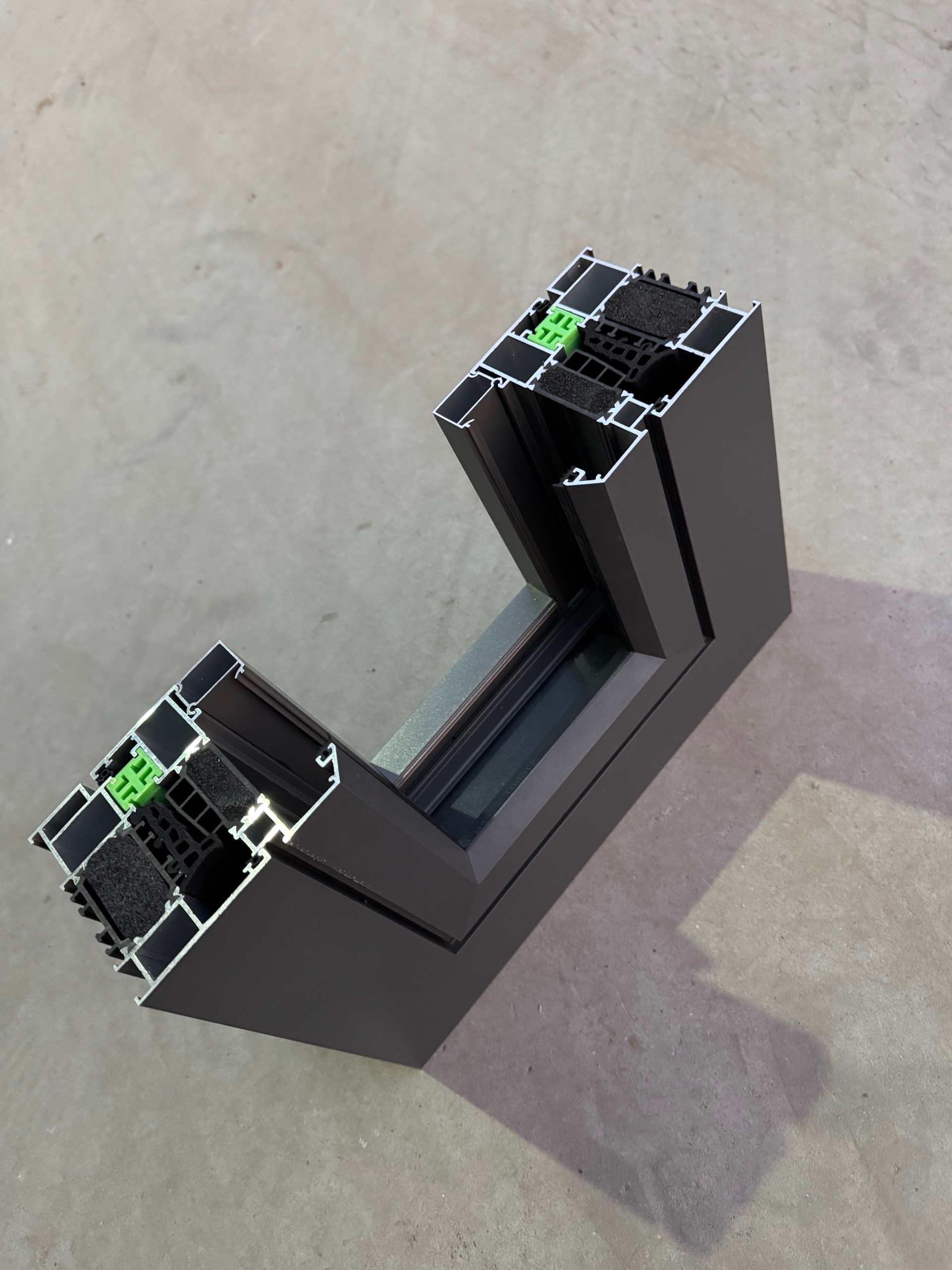
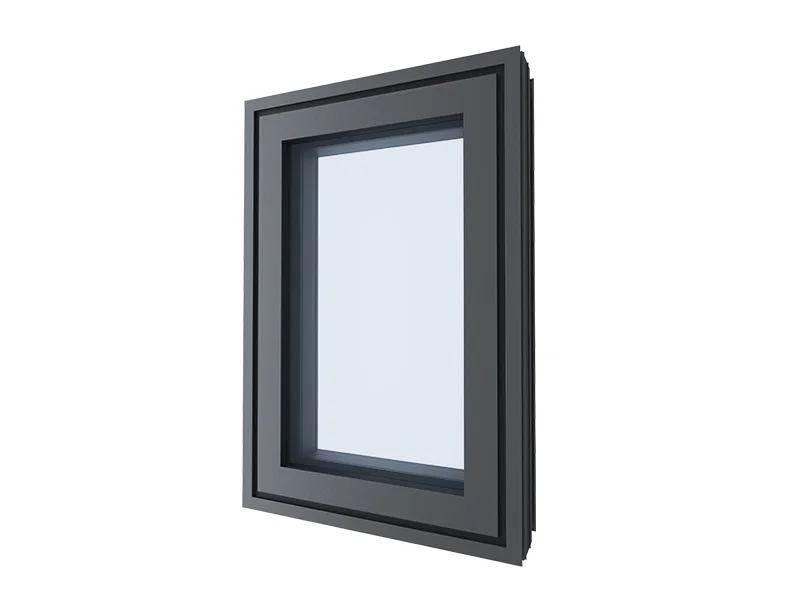
This article takes the Haipai Sichuang 108 series single-opening aluminum alloy window (English original name: 108 profile single opening window) as the core, systematically analyzing the essential differences between system doors and windows and broken-bridge aluminum doors and windows. The article's conclusion comes first: system doors and windows are an overall solution for performance systems, while broken-bridge aluminum focuses more on material thermal insulation characteristics. For residential window type configuration and engineering project procurement, the 108 series single-opening window, with its 6063-T5 aluminum alloy profile and support for different wall thicknesses and glass configurations (e.g., 5+27A+5), is suitable for sample confirmation and bulk orders. This article will help readers understand product definitions, applicable scenarios, key parameter meanings, and selection boundaries, thereby making rational judgments in procurement.
Which is better, the 108 system window or the 80 broken-bridge aluminum? Analyzing parameters and scenario suitability from the perspective of the 108 series single-opening aluminum alloy window
2026-05-08

Which is better, the 108 system window or the 80 broken-bridge aluminum? Analyzing parameters and scenario suitability from the perspective of the 108 series single-opening aluminum alloy window

This article takes the Haipai Sichuang 108 series single-opening aluminum alloy window (English original name: 108 profile single opening window) as a specific product to compare and analyze the core differences between the 108 system window and the 80 broken-bridge aluminum. The article will start from product definition, applicable scenarios, key parameters (such as profile thickness 1.8MM, glass configuration 5+27A+5), and selection suggestions to help door and window contractors, distributors, and project purchasers determine which window type is more suitable for residential window configuration or project procurement needs. The conclusion is: the 108 series has more advantages in profile width and configuration flexibility, while the 80 broken-bridge aluminum may be more economical in specific small-size scenarios, and the specific choice needs to be combined with the actual project conditions.