Blog

Here, view industry insights, practical guides, and curated perspectives, continuously gaining valuable content.

Home Blog

Blog

Blog

aluminum-vs-upvc-windows-comparison-guide
Popular

aluminum-vs-upvc-windows-comparison-guide

This guide compares aluminum and UPVC windows based on real global search trend data. We cover cost differences, energy‑efficiency, double‑glazed & tilt‑and‑turn styles, trim & flashing solutions, paint modification options, lifespan, maintenance and sustainability. Help homeowners make informed choices for window replacement and new build projects.

Read more →
Allmanufacturing
The Impact of Glass Configuration on the Sound Insulation of Aluminum Alloy Windows: Analysis of 80 Series Insulated Glass
2026-06-12

The Impact of Glass Configuration on the Sound Insulation of Aluminum Alloy Windows: Analysis of 80 Series Insulated Glass

This article provides an in-depth analysis of the 5+22A+5 insulated glass structure standard in the 80 Series thickened single-open aluminum alloy windows and its sound insulation principles,and explores its performance across different residential noise scenarios. It also offers a complete decision-making logic ranging from standard configuration selection to upgrade option evaluation,helping contractors and purchasers accurately match project requirements.
Aluminum Alloy Window Wall Thickness Comparison: Performance Differences Between 1.8MM and 2.0MM in Load-Bearing Requirements
2026-06-12

Aluminum Alloy Window Wall Thickness Comparison: Performance Differences Between 1.8MM and 2.0MM in Load-Bearing Requirements

Wall thickness is one of the core parameters affecting the structural performance of aluminum alloy windows. This article aims to analyze the differences between 1.8mm and 2.0mm wall thickness in terms of mechanics and application scenarios, helping contractors and purchasers make more accurate selection judgments based on specific project conditions (such as building height, wind pressure, and window size). The choice of wall thickness must be comprehensively evaluated in conjunction with overall system performance (glass, profile material) to achieve a balance between safety and cost-effectiveness.

Anti-corrosion for aluminum alloy windows in coastal environments: Weather resistance solutions for 80 Series profiles
2026-06-12

Anti-corrosion for aluminum alloy windows in coastal environments: Weather resistance solutions for 80 Series profiles

This article analyzes the application logic of the 80 Series thickened single-opening aluminum alloy window (6063-T5, 1.8mm wall thickness) in coastal environments. Starting from the corrosion mechanism, it elaborates on the material and process foundation and provides clear scene judgment boundaries and anti-corrosion performance verification checklist for contractors and purchasers, helping you make precise decisions under complex working conditions.

Selection Strategy for Aluminum Alloy Windows for High-Rise Buildings: 80 Series Thickened Wall Type
2026-06-12

Selection Strategy for Aluminum Alloy Windows for High-Rise Buildings: 80 Series Thickened Wall Type

This article addresses the pain points of selecting doors and windows for high-rise buildings, analyzing the structural foundation and configuration logic of the 80 Series thickened single-hung aluminum alloy windows, and provides a clear decision-making path. The article aims to help contractors and procurement teams determine whether this product is a suitable safe structural foundation solution for their current projects based on specific project parameters, and to clarify the next steps for action.

80 Series Aluminum Alloy Window Cavity Structure: How to Improve Thermal and Sound Insulation Performance
2026-06-12

80 Series Aluminum Alloy Window Cavity Structure: How to Improve Thermal and Sound Insulation Performance

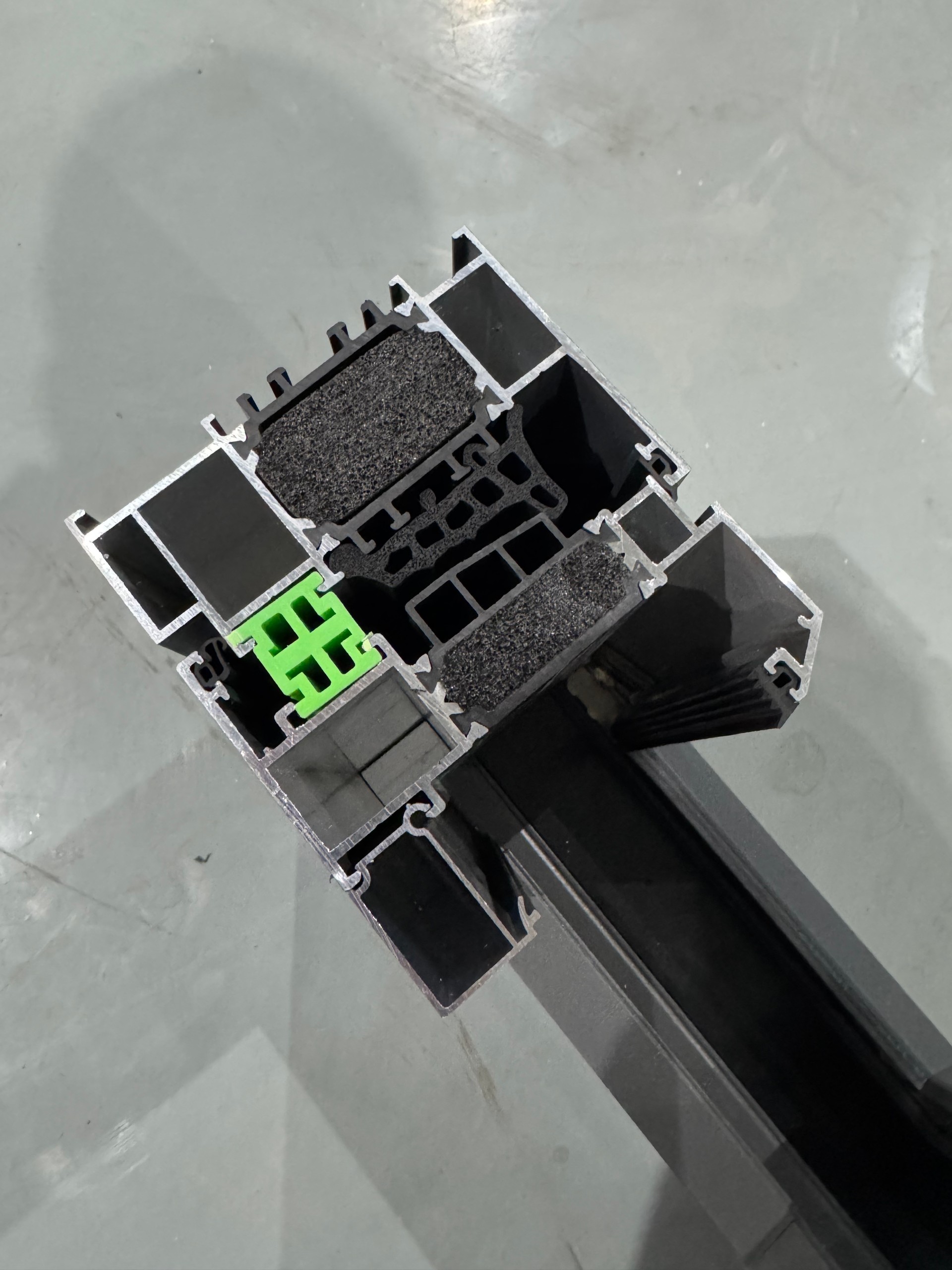
This paper deeply analyzes the multi-chamber structure principle of the 80 Series aluminum alloy window, elaborates on how it synergistically enhances thermal insulation and soundproofing performance from the profile level. The article will define the typical application scenarios and performance boundaries of the product, helping contractors and buyers assess its project suitability, and provide a selection decision path based on engineering parameters.

What on-site conditions must be confirmed before purchasing 55-series single-opening aluminum windows?
2026-06-10

What on-site conditions must be confirmed before purchasing 55-series single-opening aluminum windows?

The 55 series single-opening aluminum alloy window is a standardized choice that balances basic performance and cost-effectiveness, suitable for residential and commercial projects with conventional requirements for sealing and sound insulation. This article aims to help you systematically evaluate whether it matches your specific project and clarify the key conditions and technical details that must be confirmed before procurement, paving the way for obtaining precise solutions and quotations.

What questions should be asked to suppliers during the procurement communication for 55 series single-opening aluminum alloy windows?
2026-06-10

What questions should be asked to suppliers during the procurement communication for 55 series single-opening aluminum alloy windows?

For project-customized products like the 55 series single-open aluminum alloy windows, relying solely on quotation parameters for decision-making carries risks in selection and fulfillment. This article guides you on how to systematically evaluate products and suppliers through structured communication, from parameter adaptation, configuration adjustment, production quality control to scheme decision-making, ensuring that the procurement plan truly matches project requirements and advances decision-making.

Why are there such significant differences in quotes for 55 series single-opening aluminum alloy windows?
2026-06-10

Why are there such significant differences in quotes for 55 series single-opening aluminum alloy windows?

When purchasing the Series 55 single-opening window, it is crucial to understand its quotation composition, core configuration differences, and how service models impact cost. This article will help you systematically analyze budget, performance, and site requirements, thereby making informed procurement decisions and effectively controlling total cost.