
How to break down the budget for the FG110F dual inward-opening broken bridge window? Which costs cannot be cut?
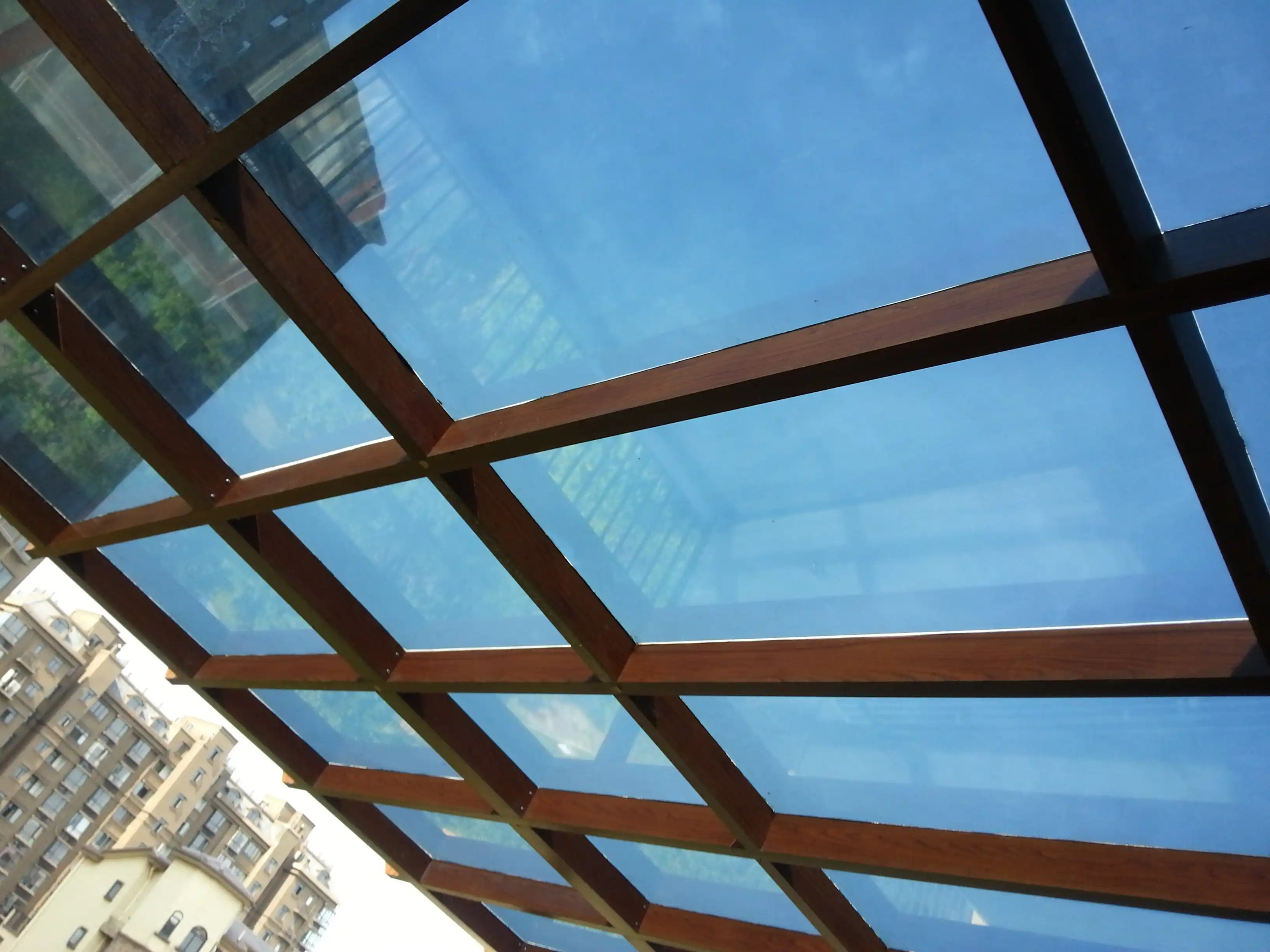
Why are the 'broken bridge' and 'double inward-opening' designs of the FG110F broken bridge window a core element that must be guaranteed in the budget?
What indispensable investments determine thermal insulation performance?
The core of the FG110F's 'broken bridge' design involves inserting a thermal break strip into the aluminum alloy profile, physically separating the indoor and outdoor parts of the window frame, thereby cutting off the direct heat conduction path. This structure directly determines the window's thermal insulation capability. Therefore, the non-negotiable part of the budget is ensuring the quality and reliability of the thermal break strip itself.
If inferior or non-matching thermal break strips are used, the window will lose its core function as a 'broken bridge window' and will be unable to effectively block heat exchange.
How to understand the safety and sealing costs of the inward-opening structure?
Choosing 'double inward-opening' over other opening methods offers advantages in terms of safety, sealing, and ease of maintenance. The realization of these advantages relies on specialized profile structures and more complex hardware systems. The multi-point locking hardware system can form uniform clamping force when the window sash is closed, which is the foundation for ensuring its high sealing performance;and the inward-opening method itself also avoids the potential falling risk associated with outward-opening windows.
Therefore, the cost of this hardware and sealing strips is fundamental to ensuring the performance and lifespan of the double inward-opening window and should not be reduced.
In summary, the core design value of the FG110F lies in its thermal insulation principle and safe sealing performance. The investment in core components such as thermal break strips and specialized hardware in the budget is to provide assurance for the product's long-term performance and durability.
Flexible parts of the budget: How do glass, hardware, and series selection affect the total price?
The final quotation of the FG110F, apart from the core cost of the profile, is mainly affected byGlass configuration、Hardware systemandoptional seriesThree variables influence. They provide a clear budget adjustment range, allowing you to make trade-offs based on the specific performance requirements of your project.
How much room is there for upgrading or adjusting the glass configuration (e.g., 5+27A+5)?
The reference configuration is 5+27A+5 Insulating glass. The adjustment options are: 1) Glass pane thickness; 2) Width of the insulating layer; 3) Whether special processes such as Low-E or laminated glass are used. Ifthe thickness is increased or special glass is used,thenThe product's insulation and soundproofing performance will improve, but the cost per unit area will also increase.
Adjustments must be made in consideration of the climate conditions and noise requirements at the project location.
How does the selection of hardware systems and window series match different budgets?
Hardware systemIts quality directly affects long-term usage costs and experience. High-quality hardware offers superior operational smoothness and durability, reducing subsequent maintenance. Selection should be evaluated based on the project's usage intensity; for example, in high-frequency usage scenarios, investing in better hardware is a more economical choice.
Window SeriesThis product offers multiple series to choose from, with potential differences in profile wall thickness and chamber structure across series, which can affect mechanical performance and cost. IfThe project has low requirements for certain performance indicators,thenyou can choose an economical series that meets basic requirements to avoid paying for redundant performance. When selecting, you should check parameters such as wind pressure resistance required for the specific dimensions.
In what scenarios is it worth investing in the high configuration of the FG110F?In which situations might it not be necessary?
It is recommended for engineering projects with clear requirements for insulation and sealing.
The applicable scenarios for the FG110F broken bridge window include aluminum alloy window projects with clear requirements for insulation, sealing, and an inward-opening structure. For example, when pursuing living comfort in residential window configurations, or when project procurement needs to meet specific performance standards (such as energy-saving specifications or sealing requirements), its high configuration (such as 2.0MM profile wall thickness, 5+27A+5 insulated glass) is worth the investment. This helps directly support the core performance requirements of the project, ensuring long-term durability and reducing the risk of later maintenance.
In the selection of broken bridge window projects, prioritizing such configurations with greater confidence can avoid additional costs caused by insufficient performance.
Not suitable for temporary scenarios pursuing the lowest cost or with unclear requirements.
For temporary scenarios pursuing the lowest cost or with unclear requirements, such as short-term projects needing only basic ventilation and lighting or buildings with frequently changing needs, the high configuration of the FG110F may exceed the necessary budget. In these cases, it is more appropriate to choose a more economical solution or wait until the requirements are clear before making a decision. System window procurement advice emphasizes that the budget should prioritize matching the project's true core needs (e.g., living experience vs. temporary shelter) rather than blindly adding features or choosing the lowest-priced product.
Conclusion: Where is your budget boundary?How should we proceed next?
The budget decision for the FG110F dual inward-opening thermal break window lies in clarifying the boundary between 'essential performance that must be guaranteed' and 'configurations that can be adjusted according to needs'. With a clear allocation plan and a list of requirements, you can more effectively control costs while ensuring quality.
Summary of budget allocation principles: Core performance guarantee vs. personalized configuration
The budget should first lock in the core components that meet the project's safety and functional baseline, with the remaining budget used for upgrade options that match the positioning.
| Budget allocation dimensions | Core foundation (performance guarantee) | Flexible configuration (adjustable as needed) |
| Profile system | Basic wall thickness (e.g., reference value 2.0mm), ensuring insulation and strength. | Different series or thicker wall thickness, enhancing overall performance. |
| Glass configuration | Basic hollow structure (e.g., reference 5+27A+5), meeting basic insulation and soundproofing needs. | Upgrades like Low-E coating, laminated glass, etc., primarily affecting performance and cost. |
| Hardware and Sealing | Standard qualified hardware and sealing strips, ensuring smooth operation and sealing. | High-end brand hardware and multi-channel sealing, enhancing experience and durability. |
Based on the current information, how to make a precise inquiry to the supplier?
To obtain a valid quotation and proposal from Qinhan System Doors and Windows (Hyperstron brand), it is recommended that you prepare the following information in advance:
- Clarify Core Requirements: Provide the project opening dimensions or drawings, and specify your expectations for performance indicators such as thermal insulation value (K-value) and sound insulation decibels.
- Determine Configuration Scope: Based on budget principles, initially narrow down options for profile wall thickness and glass configuration (e.g., standard 2.0mm+5+27A+5, or an upgraded configuration).
- Explain Cooperation Background: Inform whether it is for engineering procurement, sample confirmation, or distribution cooperation, as this will affect pricing and service methods.
Our team can assist in confirming the most suitable proposal based on the specific parameters you provide.
Frequently Asked Questions
Q: When the budget is limited, for the FG110F, which part is the least advisable to cut costs on? A: The safer choice not to cut costs is onthe basic profile wall thickness and foundational glass structure that meet the standards of the project location.This is the foundation of product safety and core performance.
Trade-offs can be made based on the budget for hardware brands, whether the glass has additional functions like Low-E, etc.
Q: Does this product support special customization according to my drawings? A: Based on the product characteristics, the FG110F supports different wall thicknesses and glass configurations. Howeverthe specific customization scope, minimum order quantity, and costs need to be confirmed directly with the supplier after you provide drawings or dimension requirements.。
Q: Before signing the procurement contract, besides price, what technical details are most important to confirm? A: It is essential to confirmthe implementation details of the final technical solution,including: 1) Profile series and wall thickness;2) Specific glass configuration (brand, coating, etc.);3) Hardware brand and model.4) Delivery and Installation Support. It is recommended to request samples for confirmation.
Q: My project volume is small, can I purchase the FG110F directly? A: This product is suitable for project procurement and sample confirmation. Specific Minimum Order Quantity (MOQ) and unit price policies need to be consulted directly with the sales team, as small-volume purchases may affect pricing and production scheduling.
To Learn More
If you are planning a door and window purchase, please submit your project's opening dimensions, drawings, or specific performance requirements (such as insulation values, sound insulation needs) to us.Our team can provide you with targeted solution configurations and precise quotations.
Related Products:FG110F Double Inward-Opening Broken Bridge Window